**Could Professional Development Be the Smartest Investment in Your Career?**
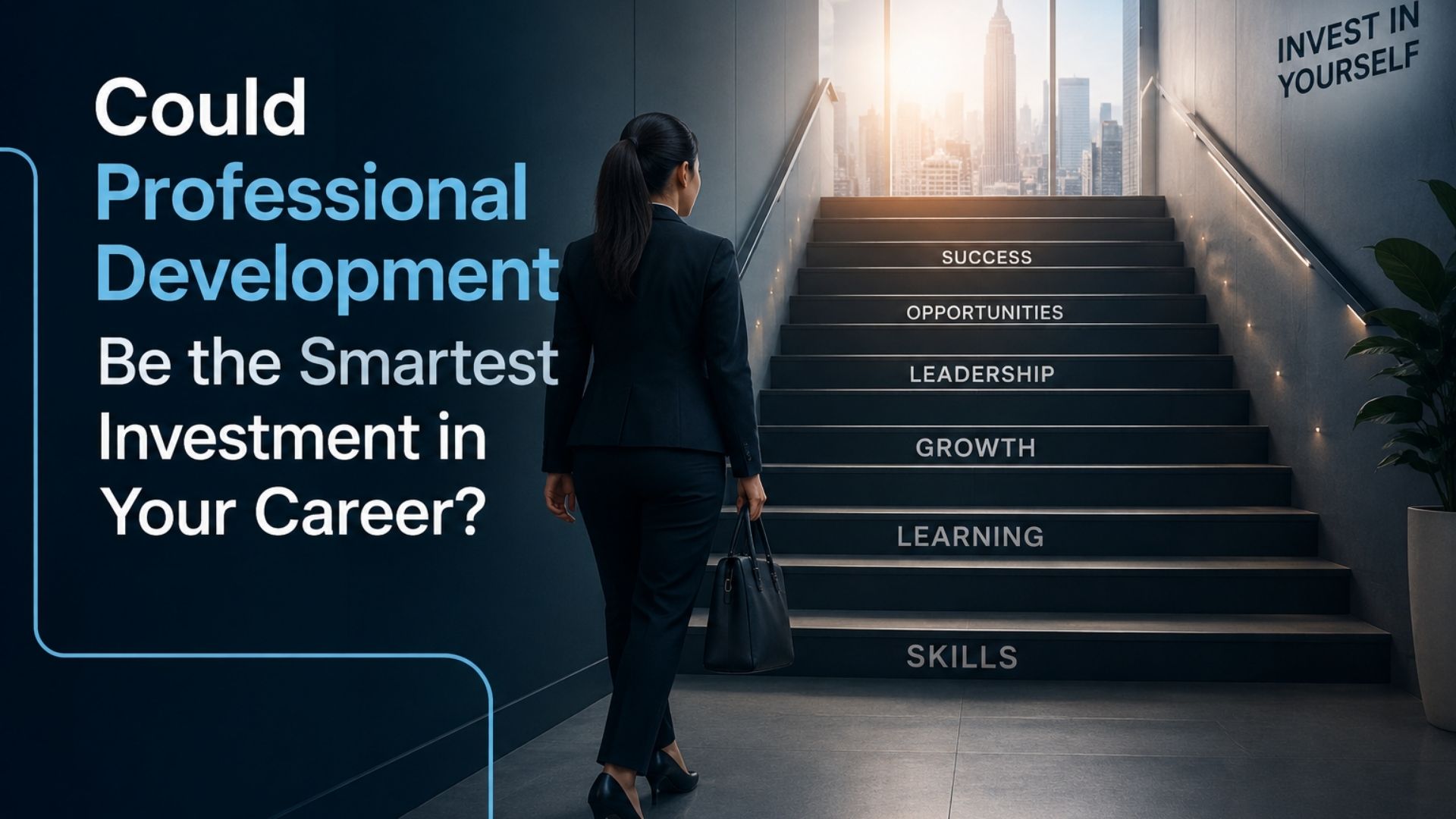
Have you ever reached a point in your career where working harder no longer seems enough to move forward? Many professionals experience this plateau, especially when industries, technologies, and workplace expectations evolve faster than traditional career paths. Experience remains valuable, but experience without continuous learning can gradually lose its competitive advantage. ***[Professional development](https://empmonitor.com/blog/professional-development-strategy/)*** provides a deliberate way to strengthen relevant skills, expand knowledge, and prepare for responsibilities that may not yet exist in your current role. The goal is not to collect certificates or attend endless workshops. Meaningful growth comes from learning with purpose, applying knowledge in real situations, and regularly evaluating whether your efforts are producing measurable progress.
**What Does Career Development Actually Mean?**
Career development is the ongoing process of improving capabilities that support better performance and future opportunities. It can include formal education, certifications, mentoring, coaching, workshops, industry events, self-directed learning, and practical workplace experiences.
The strongest approach combines learning with application. For example, a project coordinator studying leadership theory gains far more value when they also lead a small cross-functional initiative. Knowledge becomes useful when it changes how someone communicates, solves problems, makes decisions, or contributes to business outcomes.
Research and workplace learning trends increasingly emphasize continuous skill-building, particularly as technology changes job requirements and organizations seek adaptable talent.
**How Can You Build a Practical Growth Plan?**
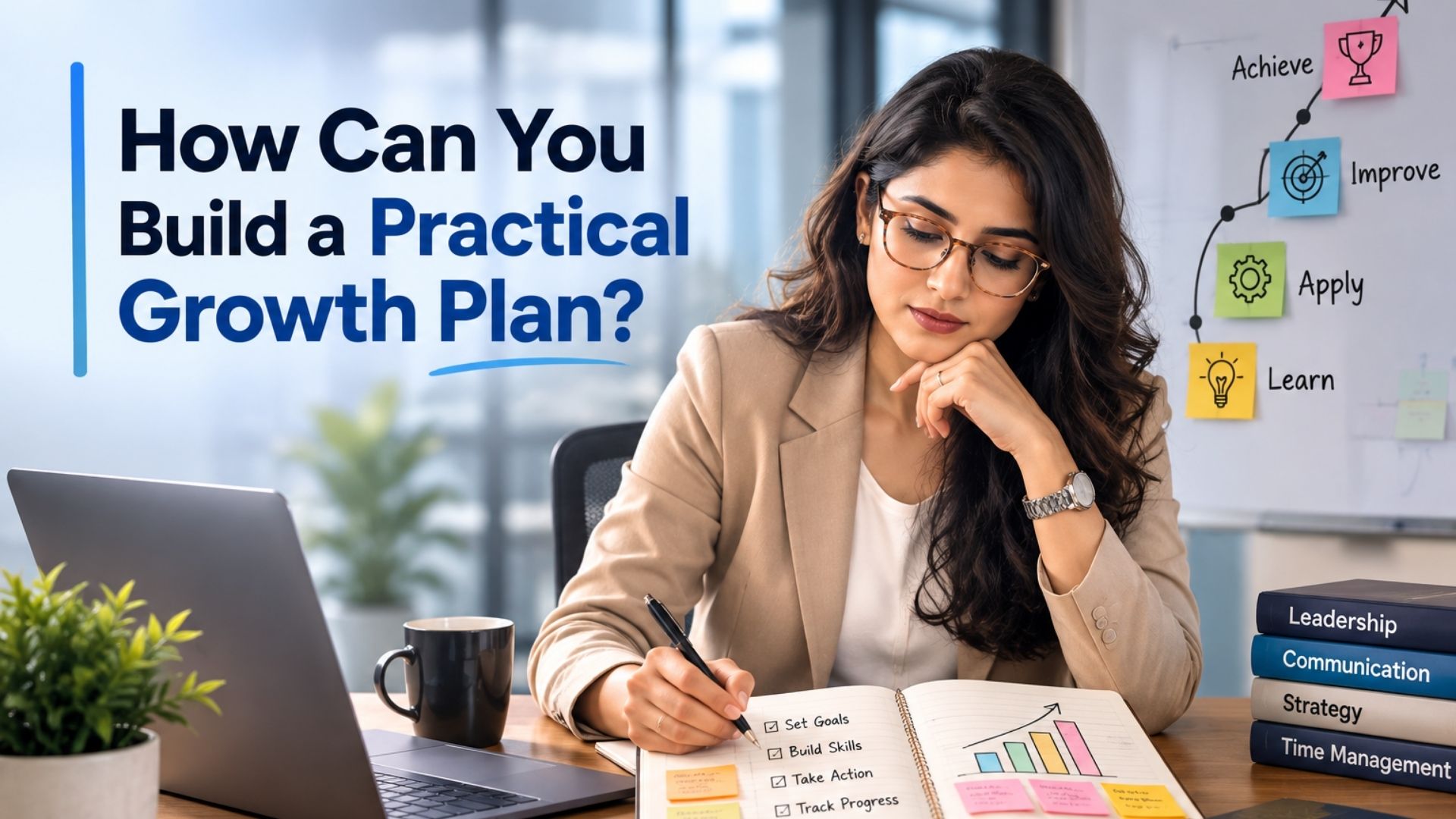
A useful development plan starts with clarity rather than a course catalogue. Before investing time or money, identify where you are, where you want to go, and what capabilities separate those two points.
Start by assessing your current strengths and weaknesses honestly. Feedback from managers, colleagues, mentors, and performance reviews can reveal blind spots that self-assessment alone may miss.
Next, define a specific outcome. Instead of setting a vague goal such as “become a better communicator,” choose something measurable, such as leading monthly client presentations confidently within six months. Clear goals also support effective ***[teams task management](https://empmonitor.com/blog/teams-task-management/)*** by helping employees align their responsibilities, priorities, and progress with measurable objectives.
Then create a realistic learning path that includes:
A clear skill or capability to improve.
A practical learning resource or experience.
A timeline for progress.
Opportunities to apply the new skill.
Regular feedback and review.
This approach prevents learning from becoming an activity disconnected from career outcomes. Structured development plans are most effective when goals, timelines, application opportunities, and periodic reviews work together.
**What Does Effective Learning Cost?**
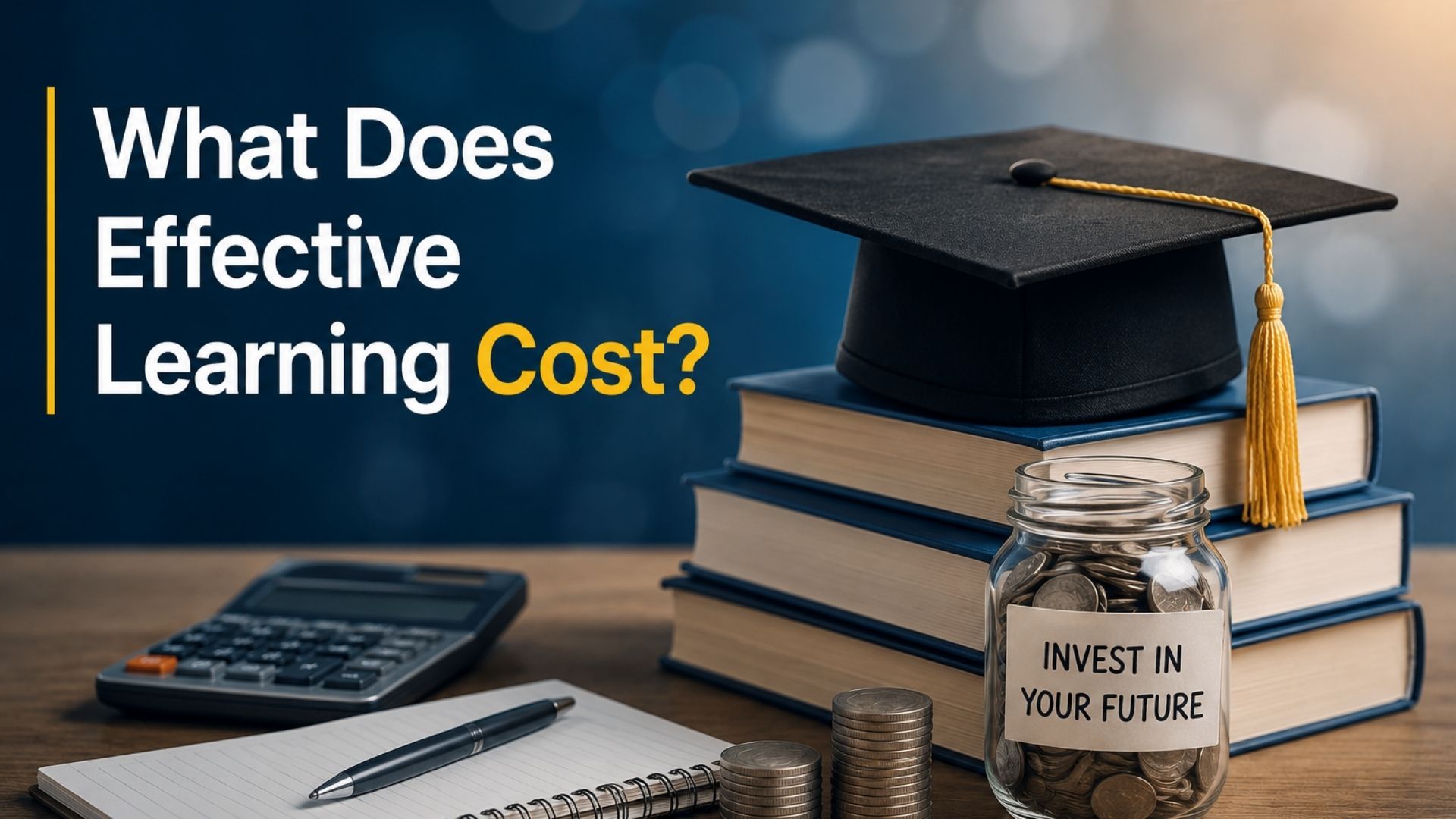
The cost varies significantly depending on the chosen path. Self-directed learning through articles, books, webinars, and free courses may require little financial investment but demands strong discipline. Paid certifications and specialized programs can cost considerably more, particularly in technical or regulated industries.
However, price should not be confused with value.
An expensive qualification that never improves workplace performance may deliver less value than a low-cost course combined with hands-on practice. Before paying for a program, professionals should consider whether the credential is respected in their industry, whether the curriculum matches real skill requirements, and whether there will be opportunities to apply what they learn.
Organizations can also support growth through mentorship, job rotation, stretch assignments, and cross-functional projects. These options often provide practical experience without requiring employees to step away from their daily responsibilities.
You can also watch: ***[EmpMonitor|Leading Employee Engagement and Workforce Productivity Tool](https://youtu.be/vyhUwnsjlro?si=tsyG1MD-RvMXh9Bg)***
**Conclusion**
***[Professional development](https://empmonitor.com/blog/professional-development-strategy/)*** is most valuable when it becomes a habit of intentional improvement rather than an occasional career task. The smartest professionals do not chase every trend or qualification; they identify meaningful skill gaps, learn strategically, and prove their progress through real work. Start small, choose one capability that supports your next career step, and create opportunities to practice it. Take action today: assess one skill gap, set a measurable goal, and begin building evidence of growth that your future opportunities can recognize.
**FAQs**
What is the best way to develop professionally?
The best approach combines clear career goals, targeted learning, practical experience, and regular feedback. Rather than pursuing every available course, focus on skills connected to your desired role. Apply new knowledge through projects and review progress regularly to ensure your efforts remain relevant.
How much should I spend on career learning?
There is no fixed amount because value depends on your goals and industry. Free resources can build strong foundations, while specialized certifications may require larger investments. Before spending money, evaluate the program's relevance, credibility, practical application, and potential impact on your future opportunities.
What is the difference between training and career development?
Training usually focuses on improving specific skills needed for a current task or role. Career development takes a broader, longer-term view by preparing individuals for future responsibilities, career transitions, leadership opportunities, and changing workplace requirements through continuous learning and practical experience.