**Could Better Workforce Visibility Start With Employee Time and Attendance Tracking?**
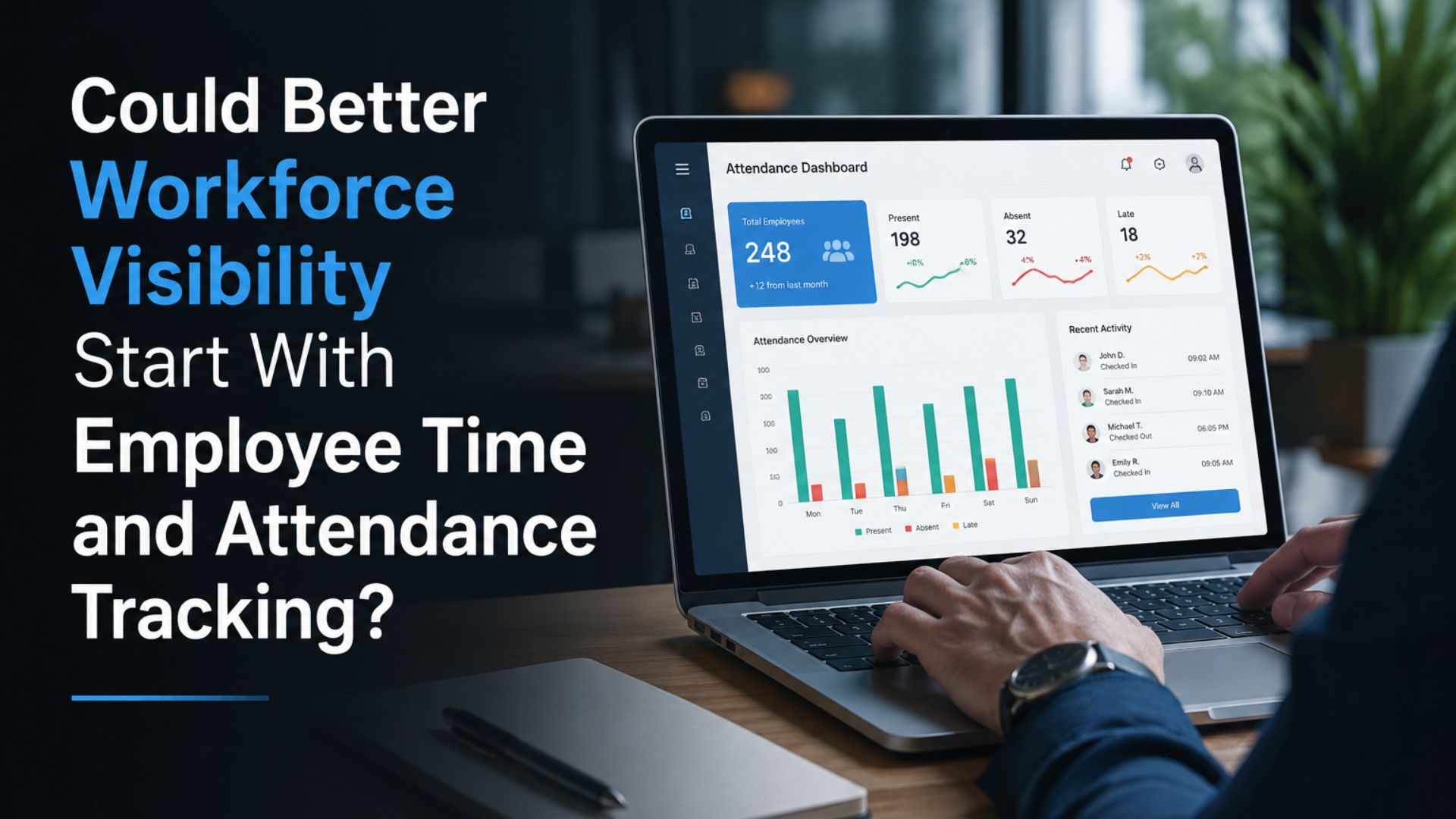
How much time can a business lose because attendance records are incomplete, scattered, or difficult to verify? ***[Employee Time and Attendance Tracking](https://empmonitor.com/blog/employee-time-and-attendance-tracking-call-centers-2026/)*** is often treated as a basic administrative function, yet its impact reaches payroll, workforce planning, overtime control, scheduling, and employee trust. In practical business environments, the difference between a reliable attendance process and a spreadsheet filled with manual corrections can become significant as teams grow. Modern systems can bring working hours, absences, breaks, leave, and overtime into a more structured record. However, technology alone does not create an effective process. The strongest approach combines accurate data capture with clear policies, sensible automation, privacy safeguards, and human review.
**What Is Modern Attendance Management?**
Attendance management is the process of recording and organizing information about when employees work and when they are absent. Depending on the organization, this may include working hours, breaks, shifts, overtime, leave, late arrivals, and attendance corrections.
The purpose extends beyond knowing whether someone was present. Reliable records can help HR prepare payroll, help managers understand staffing patterns, and help finance teams identify labour costs more accurately. Workforce management platforms commonly combine time and attendance with scheduling, absence management, overtime, and reporting because these functions influence one another.
This is particularly important when a business moves beyond a small team. A spreadsheet may appear manageable when only a few employees are involved, but multiple shifts, locations, leave requests, and overtime records can quickly create reconciliation work.
**How Does It Work?**
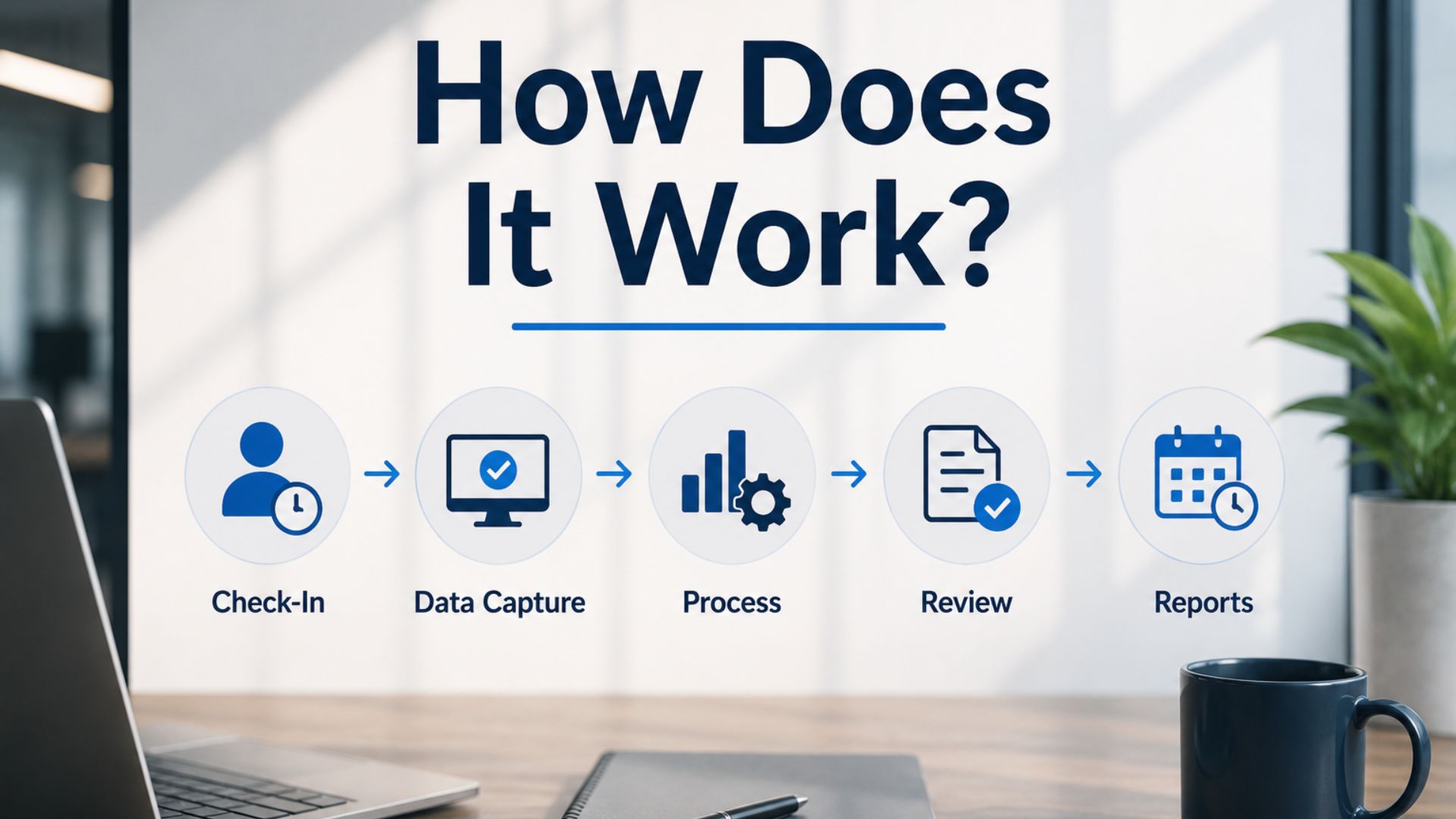
The process generally begins with employees recording their start and end times through an approved method. Depending on the workplace, this could involve a desktop system, mobile application, kiosk, access card, or biometric device.
The recorded information is then organized according to company rules. For example, a shift-based organization may compare actual attendance against scheduled hours, while an office may focus more heavily on working-day records, leave, and exceptions. When used responsibly, this information can also support ***[Performance Management](https://empmonitor.com/blog/secret-to-great-performance-management/)*** by helping managers understand attendance patterns and make more informed workforce decisions.
The useful part comes after the data is captured. Managers can review unusual entries, employees can request corrections, and approved information can move toward payroll or reporting workflows. Integration reduces the need to copy information repeatedly between disconnected systems.
A good system should therefore make the normal process almost invisible while making exceptions easy to identify and resolve.
**Why Does Accurate Attendance Data Matter?**
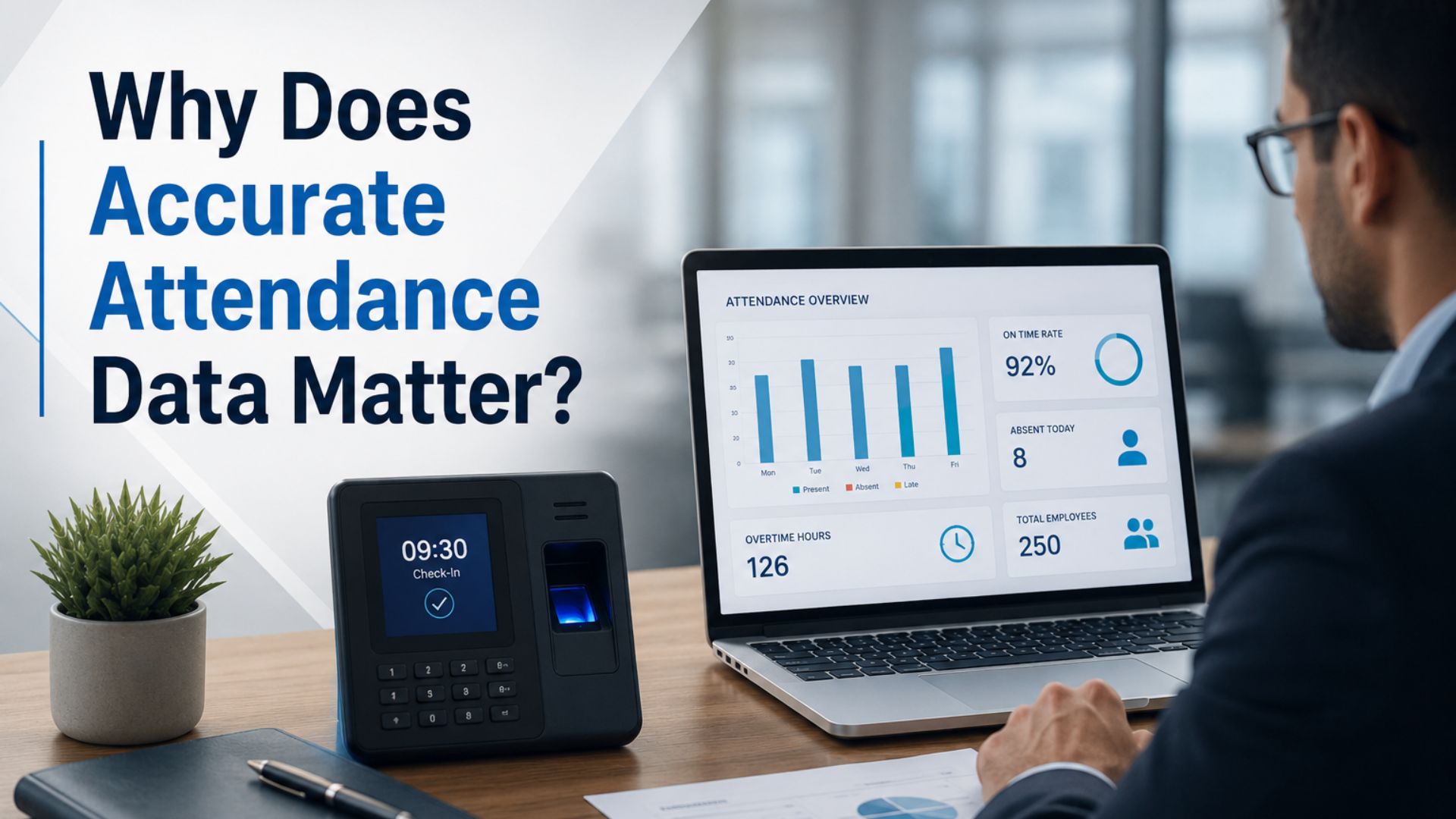
Accuracy matters because attendance information can eventually influence employee pay and management decisions. A missed punch, incorrect shift, or unrecorded overtime period can create unnecessary corrections and disputes.
Overtime deserves particular attention. Accurate records can help organizations understand how many additional hours are being worked and where those hours are concentrated. This can reveal scheduling problems, resource shortages, or departments where workload is consistently exceeding planned capacity.
There is also an employee-experience dimension. When people can see their own records and understand how corrections are handled, attendance becomes less dependent on informal conversations and memory.
The objective should not be to create an atmosphere of surveillance. It should be to create a dependable record that employees and managers can use with confidence.
You can also watch: ***[EmpMonitor|Leading Employee Engagement and Workforce Productivity Tool](https://youtu.be/vyhUwnsjlro?si=tsyG1MD-RvMXh9Bg)***
**Conclusion**
***[Employee Time and Attendance Tracking](https://empmonitor.com/blog/employee-time-and-attendance-tracking-call-centers-2026/)*** can become a meaningful workforce-management tool when it is designed around accuracy, transparency, and practical business needs. The technology can reduce manual administration, improve visibility into overtime and absences, and create cleaner information for payroll and planning. Yet the software should support human judgment rather than replace it. Businesses should assess their current process, identify recurring problems, compare total costs, and evaluate privacy and integration requirements before choosing a platform. Ready to improve attendance management? Start by identifying where your current process loses time or creates uncertainty, then build your technology decision around those real operational gaps.
**FAQs**
What is employee time and attendance tracking used for?
It is used to record working hours, attendance, breaks, absences, leave, shifts, and overtime. Businesses use these records to support payroll preparation, workforce planning, scheduling, reporting, and consistent attendance policies. Its value increases when attendance information connects with other HR or payroll processes instead of remaining isolated.
How should a business choose the best attendance system?
The best option depends on workforce size, work locations, schedules, payroll requirements, and operational complexity. Businesses should compare usability, reporting, integrations, security, mobile access, overtime handling, and scalability. A simple system can be better than a feature-heavy platform if it fits the organization’s actual workflow.
Is attendance software more cost-effective than spreadsheets?
It can be when manual administration consumes significant time or produces recurring errors. Businesses should compare subscription and hardware costs with the internal cost of maintaining spreadsheets, correcting records, calculating overtime, resolving discrepancies, and preparing payroll information. The right comparison focuses on total operational value rather than software price alone.