**Could Insider Threat and Data Loss Prevention Help Your Business Detect Hidden Security Risks?**
What if one of your biggest security risks is already inside your organization? Businesses often invest heavily in firewalls, endpoint protection, and external threat detection, yet legitimate users can still create serious exposure through mistakes, negligence, compromised accounts, or intentional actions. The challenge is not simply keeping attackers outside the network; it is understanding what happens after someone already has access. ***[Insider Threat and Data Loss Prevention](https://empmonitor.com/blog/insider-threat-and-data-loss-prevention-empmonitor-teramind/)*** bring these concerns together by helping organizations identify risky behaviour and control how sensitive information is accessed, used, and transferred. A practical security strategy therefore needs visibility, appropriate access controls, employee awareness, and clear response procedures rather than relying on technology alone.
**Why Hidden Security Risks Are Hard to Detect**
Insider-related incidents rarely look exactly like conventional cyberattacks. An external attacker may generate obvious indicators such as repeated login failures or suspicious network traffic. An employee with legitimate credentials, however, may appear completely normal while accessing information they should not need.
Consider an employee who suddenly downloads hundreds of customer records before leaving the company. The download itself may not prove malicious intent. They could have been preparing an approved report. But the unusual volume, timing, and type of information should create a reason for review.
This distinction matters because effective security is about identifying risk signals, not automatically labelling people as threats.
Organizations should therefore consider several factors together: what information was accessed, when it was accessed, whether the behaviour was consistent with the person's role, where the information went, and whether similar activity occurred previously.
**What Counts as an Insider Threat?**
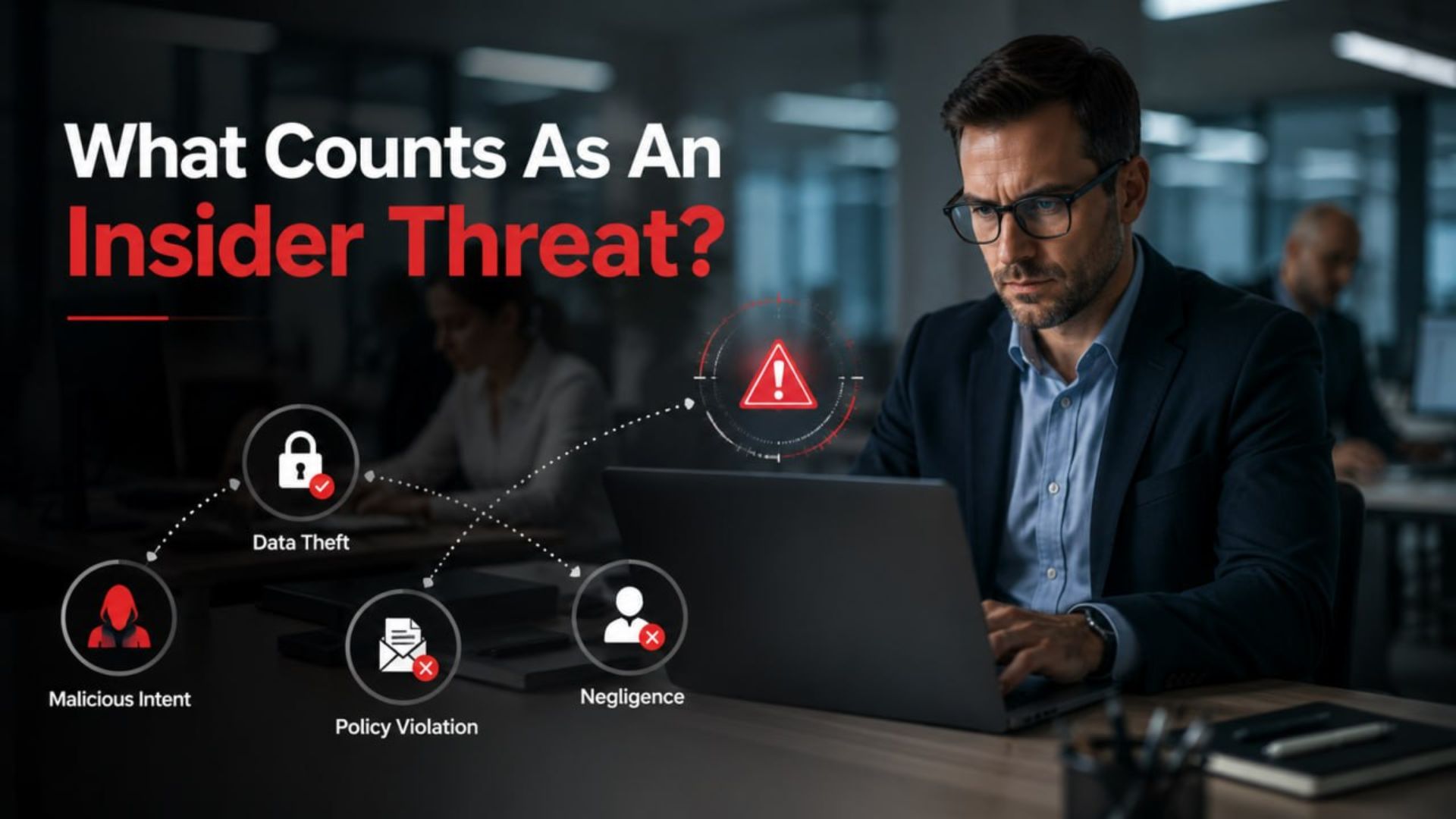
An insider threat is not limited to a disgruntled employee stealing information. It can involve several types of behaviour.
A malicious insider may deliberately expose confidential information, sabotage systems, or take proprietary files. A negligent employee might accidentally send sensitive documents to the wrong recipient or upload business information to an unauthorized service. A compromised account can also create insider-like activity when an external attacker gains control of legitimate credentials. ***[Time theft](https://empmonitor.com/blog/time-theft-activity-monitoring/)*** can also reflect certain forms of employee misuse that deserve appropriate attention.
This broader definition is important because security teams cannot build an effective program around intentional misconduct alone.
**How Can Businesses Detect Hidden Risks?**
Businesses can detect hidden risks by monitoring unusual access, large file transfers, permission changes, and unexpected data movement while using context to distinguish legitimate activity from potential threats.
**Review Access Based on Job Responsibilities**
Employees should have access to the information required for their responsibilities, not every system that might eventually become useful.
This principle, commonly known as least privilege, limits unnecessary exposure. A customer-support employee may need customer account details but does not necessarily require access to financial reporting databases or confidential product-development files.
Access should also be reviewed after promotions, department transfers, project completion, and employee departures. Old permissions can become an invisible security weakness when nobody remembers why they were granted.
**Watch for Meaningful Behavioural Changes**
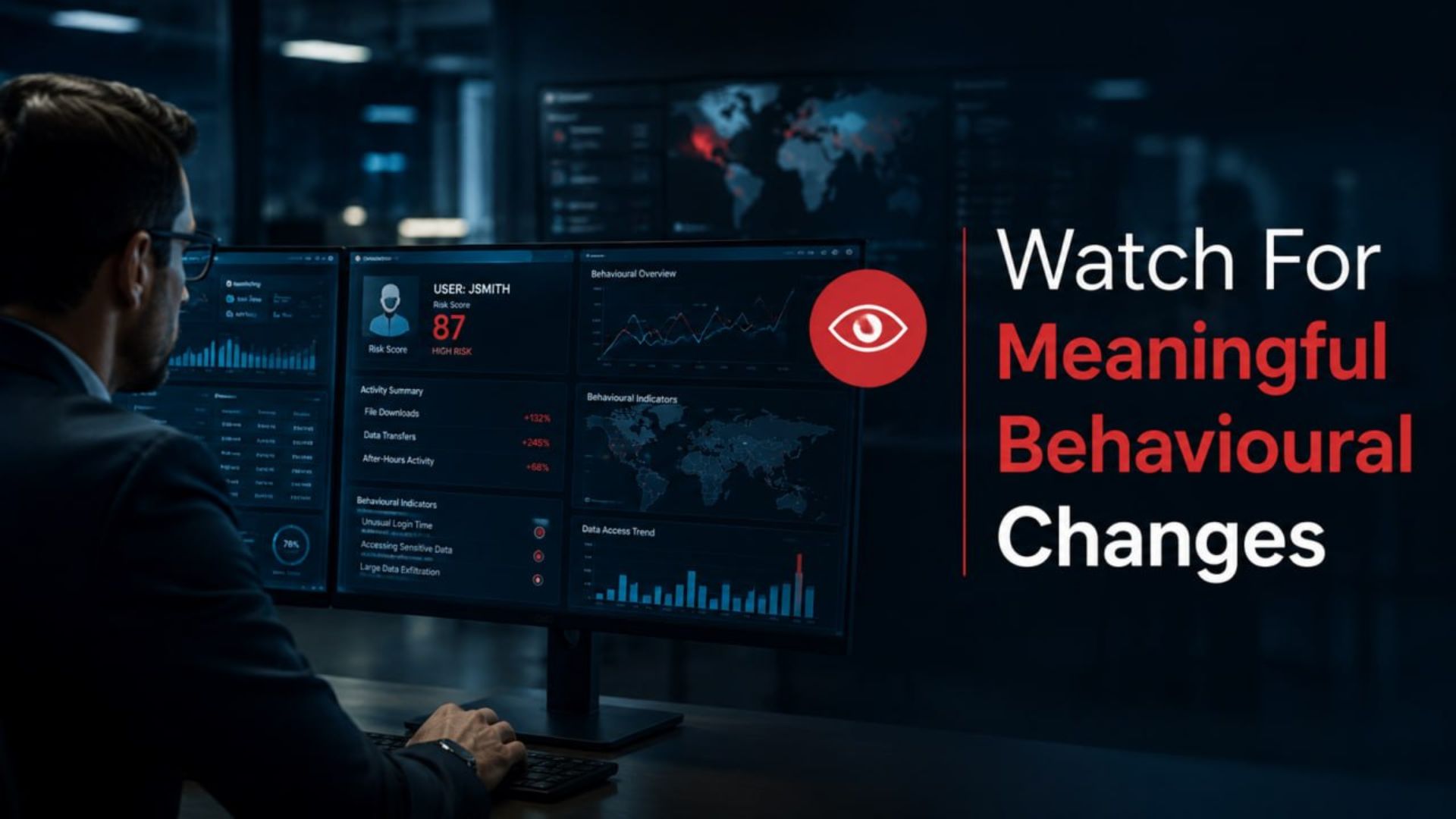
Monitoring becomes more useful when it focuses on meaningful changes rather than attempting to record every employee action.
Examples include unusually large file transfers, repeated access to restricted folders, downloads outside normal working patterns, unexpected use of removable media, or attempts to move information toward unauthorized destinations.
However, context matters. A security alert should initiate investigation rather than automatically become evidence of wrongdoing.
For example, an employee downloading a large collection of documents before an approved client presentation may be completely legitimate. The same activity immediately before an unexplained resignation deserves a closer review.
**Protect Data Throughout Its Lifecycle**
Sensitive information needs protection whether it is stored, being used, or being transferred.
Organizations can use encryption, access controls, classification policies, authentication measures, logging, and data-loss controls to reduce unnecessary exposure. Sensitive files should also have clearly defined rules about who can access, modify, copy, share, or export them.
The objective is not to prevent employees from doing their jobs. It is to make legitimate business activity easier to distinguish from unusual or unauthorized activity.
You can also watch: ***[EmpMonitor|Leading Employee Engagement and Workforce Productivity Tool](https://youtu.be/vyhUwnsjlro?si=tsyG1MD-RvMXh9Bg)***
**Conclusion**
***[Insider Threat and Data Loss Prevention](https://empmonitor.com/blog/insider-threat-and-data-loss-prevention-empmonitor-teramind/)*** can help businesses identify security weaknesses that traditional perimeter-focused defences may overlook. The key is not simply collecting more employee activity data. It is creating useful context around access, information movement, behavioural changes, and business responsibilities. Companies should regularly review permissions, protect sensitive information, investigate meaningful anomalies, and coordinate security with HR and management. If your organization has never mapped who can access its most valuable data, that is a strong place to begin. Review your critical systems and permissions today, then build controls around the risks you actually face.
**FAQs**
What is an insider threat?
A security risk caused by someone with legitimate system access.
How does data loss prevention help?
It detects and can block unauthorized data transfers or sharing.
How can businesses prevent insider data loss?
Use access controls, employee training, monitoring, and regular permission reviews.