**What Makes An Ad Swipe File Essential For Smarter Marketing Decisions?**

Successful advertising rarely begins with a blank page. The best marketers constantly study high-performing campaigns, analyze creative patterns, and adapt proven ideas into fresh concepts. An ***[Ad Swipe File](https://poweradspy.com/how-to-build-an-ad-swipe-file/)*** serves as a valuable reference library that keeps winning advertisements, compelling headlines, engaging visuals, and persuasive calls-to-action in one organized place. Instead of copying existing campaigns, professionals use this collection to identify trends, improve creativity, and develop advertisements that connect with their audience more effectively.
**Why Inspiration Is the Foundation of Better Advertising**
Every successful campaign is built on research. Creative professionals, advertisers, and business owners regularly explore advertisements from different industries to understand what attracts attention.
Building a collection of outstanding campaigns allows marketers to:
* Observe changing design trends.
* Understand emotional triggers.
* Study persuasive messaging.
* Discover unique promotional angles.
* Generate fresh campaign ideas faster.
Rather than relying solely on imagination, marketers combine research with creativity to produce advertisements that feel original while following proven marketing principles.
**Organizing Creative References for Faster Workflow**
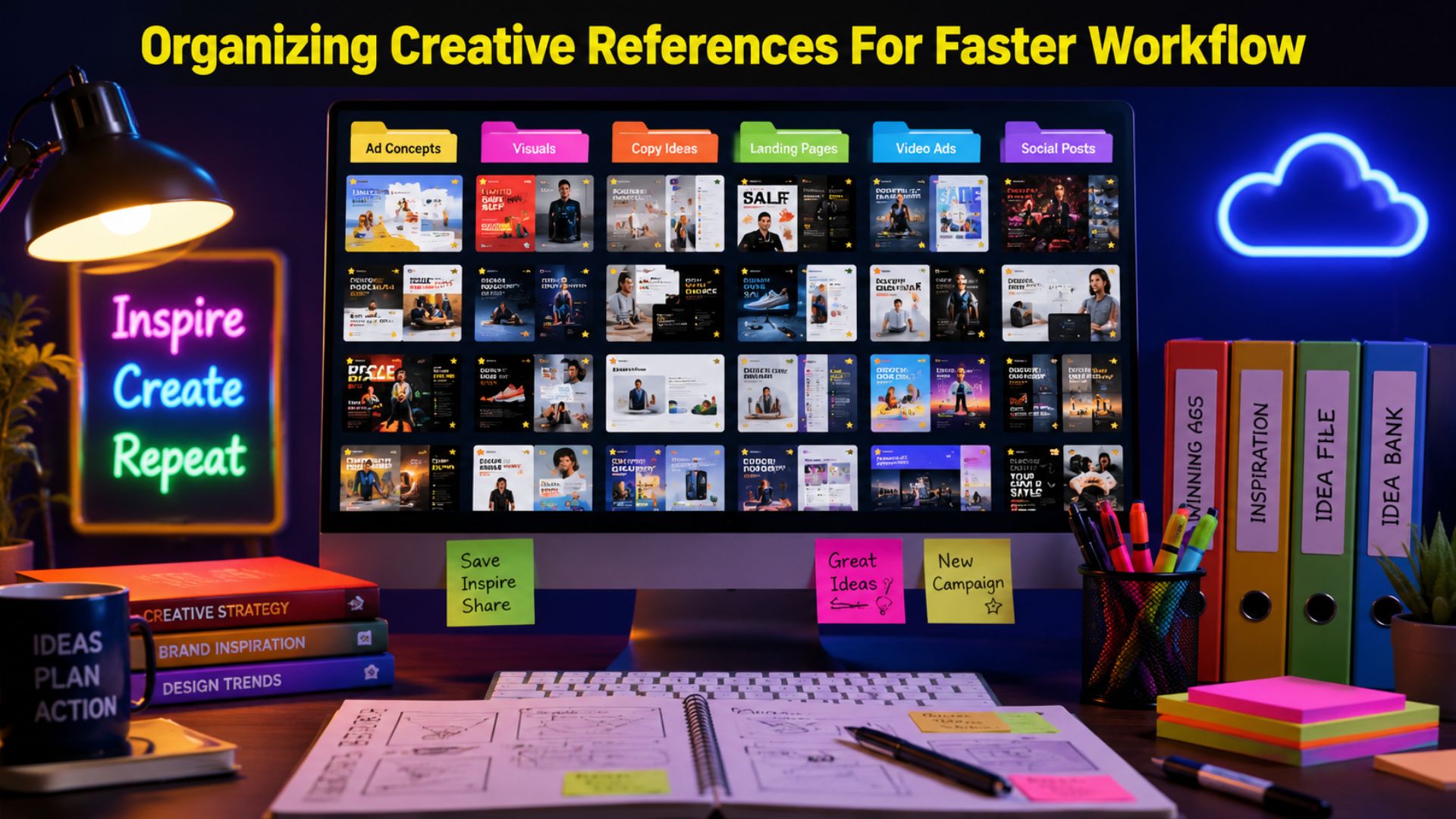
Finding great advertisements is only the beginning. The real advantage comes from organizing those examples in a structured way.
Many professionals categorize their references by:
* Industry
* Audience type
* Advertising platform
* Product category
* Seasonal campaigns
* Offer type
* Landing page style
* Visual design
This organized approach is especially valuable when reviewing ***[digital ads](https://poweradspy.com/why-digital-ads-work/)***, making it easier to locate relevant examples whenever a new campaign needs to be created.
Instead of starting from scratch, marketers can quickly review similar concepts and adapt ideas to fit their own brand identity.
**Learning From High-Performing Campaign Structures**
Great advertisements often follow recognizable patterns.
Studying successful campaigns helps marketers understand how different components work together, including:
**Strong Headlines**
Attention-grabbing headlines encourage users to stop scrolling and engage with the advertisement.
**Visual Hierarchy**
Successful creatives guide viewers naturally from the image toward the primary message and finally the call-to-action.
**Emotional Appeal**
Many campaigns focus on solving problems, creating excitement, building trust, or encouraging curiosity.
**Clear Offers**
Simple discounts, limited-time promotions, free trials, or exclusive bonuses often improve conversion rates when communicated clearly.
Recognizing these recurring elements makes future campaign creation more efficient.
**Improving Team Collaboration During Campaign Planning**
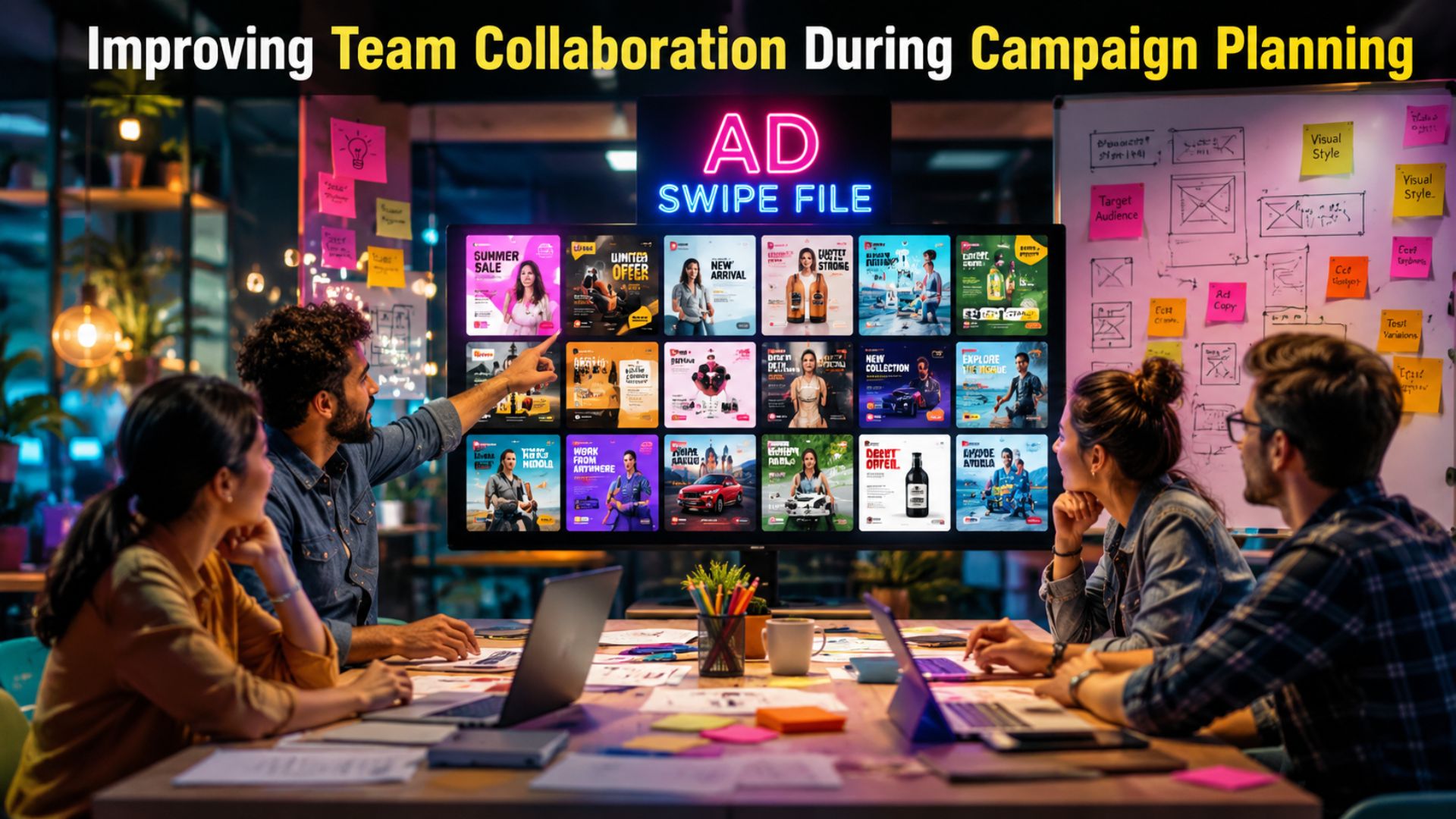
Marketing teams often involve designers, copywriters, media buyers, analysts, and project managers.
Having a shared collection of advertising inspiration makes it easier to ***[see competitor ads](https://pad.codefor.fr/s/p9rWJ1By2U)*** alongside successful creative examples, creating greater consistency across departments.
Instead of explaining creative concepts verbally, team members can reference examples that demonstrate:
* Preferred design styles
* Copywriting tone
* Landing page layouts
* Product presentation
* Promotional messaging
* Video concepts
This shared understanding speeds up approvals while reducing misunderstandings during production.
As campaigns become more complex, collaborative inspiration becomes increasingly valuable.
**Using Competitive Research to Identify Market Trends**
Advertising changes constantly as customer preferences evolve.
Studying campaigns across multiple industries reveals emerging trends before they become mainstream.
Marketers frequently notice shifts such as:
Minimalist creative designs
User-generated content
Short-form video advertisements
Interactive product demonstrations
Authentic storytelling
Educational advertising
Understanding these developments helps businesses stay competitive while continuously refreshing their marketing approach.
Trend observation also prevents campaigns from becoming outdated or repetitive.
**Turning Inspiration Into Original Campaigns**
One common misconception is that studying advertisements reduces originality.
In reality, experienced marketers use inspiration responsibly by combining multiple ideas into something unique.
A practical creative process often includes:
1. Research successful campaigns.
1. Identify recurring techniques.
1. Understand why they perform well.
1. Adapt ideas to match business goals.
1. Create original messaging.
1. Test multiple creative variations.
1. Analyze campaign performance.
1. Improve future advertisements based on real data.
This cycle encourages continuous improvement instead of repeating identical concepts.
Original campaigns are strongest when they combine research, audience understanding, creativity, and ongoing optimization.
You can also watch: ***[Revolutionize Advertising with AI-Based Ad Intelligence Tool - PowerAdSpy](https://youtu.be/Mn-YB171_jY?si=IVZ3vH1y5CeVFzFg)***.
**Conclusion**
Building an ***[Ad Swipe File](https://poweradspy.com/how-to-build-an-ad-swipe-file/)*** is one of the smartest habits modern marketers can develop. It transforms scattered inspiration into a structured creative resource that supports better planning, faster production, stronger collaboration, and more informed advertising decisions. By consistently studying successful campaigns and adapting proven concepts with originality, businesses can create engaging advertisements that evolve alongside changing customer expectations and increasingly competitive digital markets.
**FAQs:**
**1. Why do marketers collect successful advertisements?**
They use them to study creative techniques, messaging styles, and campaign structures that can inspire future marketing efforts.
**2. Can collecting advertising examples improve creativity?**
Yes. Reviewing diverse campaigns often generates fresh ideas while helping marketers avoid repetitive concepts.
**3. How should advertising references be organized?**
Grouping them by industry, platform, audience, campaign objective, or design style makes future research faster and more efficient.
**4. Is it acceptable to use inspiration from existing campaigns?**
Yes, provided the ideas are adapted into original creative work rather than copied directly.
**5. How often should marketing inspiration libraries be updated?**
Regular updates help marketers stay informed about changing design trends, messaging techniques, and customer preferences.