**Employee Screenshots: Are They Really the Smartest Way to Improve Workplace Visibility?**
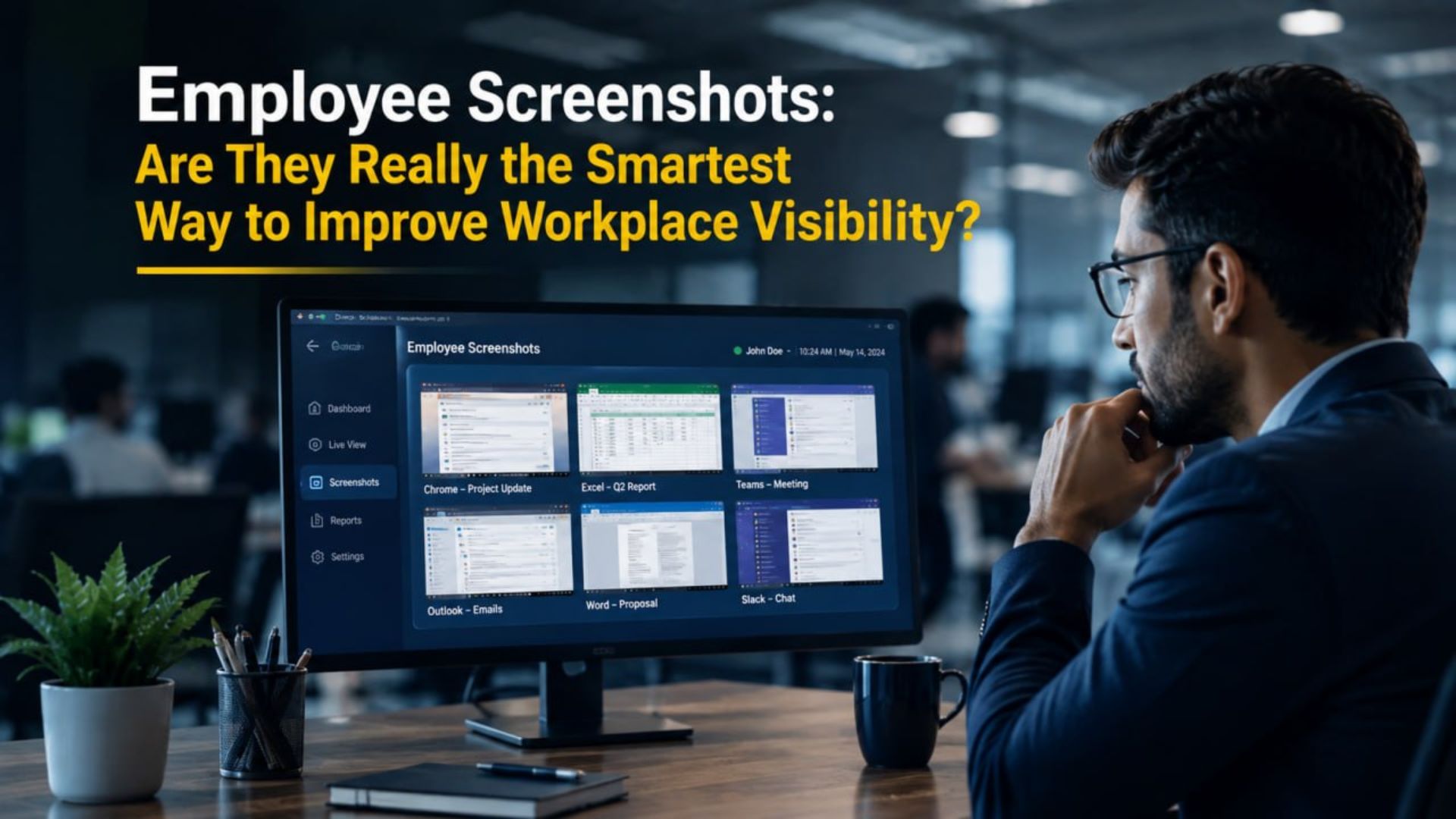
What if greater workplace visibility does not necessarily create greater productivity? Remote and hybrid teams increasingly need better insight into work patterns, accountability, security, and workflow, but more data does not automatically mean better management. ***[Employee screenshots](https://empmonitor.com/blog/which-call-centers-are-better-for-employee-screenshots/)*** can provide managers with visual context about digital activity, yet a captured image represents only one moment in a much larger work process. It cannot explain creativity, problem-solving, collaboration, or the complexity behind a task. Responsible monitoring therefore requires more than installing software. It requires a defined purpose, transparent communication, sensible controls, and human judgment. The Information Commissioner's Office recommends that workplace monitoring be lawful, fair, transparent, proportionate, and connected to a specific purpose.
**What Is Screenshot Monitoring?**
Screenshot monitoring is a feature found in some workforce monitoring and productivity platforms. It captures images of a computer screen at configured intervals or under particular conditions. Depending on the software, these records can sit alongside time records, application activity, website information, attendance data, and project information.
The practical value is context.
Imagine a remote employee who records a full working day but repeatedly misses deadlines. A visual record could help a manager investigate whether the problem relates to frequent application switching, workflow interruptions, unclear priorities, or technical issues. However, the image itself cannot explain the complete situation.
That distinction is important because knowledge work is rarely linear. An employee might spend significant time reading documentation, reviewing a complex design, attending meetings, solving a technical problem, or planning a project without producing obvious screen activity.
A responsible monitoring system should therefore support investigation rather than become an automatic productivity score.
**How Does It Work?**
Most monitoring platforms allow administrators to configure capture frequency, working hours, monitored devices, access permissions, and retention settings. Some systems use random intervals, while others provide fixed schedules or activity-based options.
The technology may be straightforward, but the management process requires more thought.
Before implementation, businesses should identify the question they need answered. If the issue is attendance, a time-tracking system may provide enough information. If the concern is cybersecurity, access logs may be more relevant. If managers want to understand project progress, a ***[workflow tracker](https://empmonitor.com/blog/workflow-tracker/)*** can provide stronger visibility into task completion, bottlenecks, and delivery timelines.
The ICO's guidance emphasizes identifying the purpose of monitoring and considering whether a less intrusive approach could achieve the same objective. It also cautions against collecting excessive information simply because technology makes it possible.
**When Can It Be Useful?**
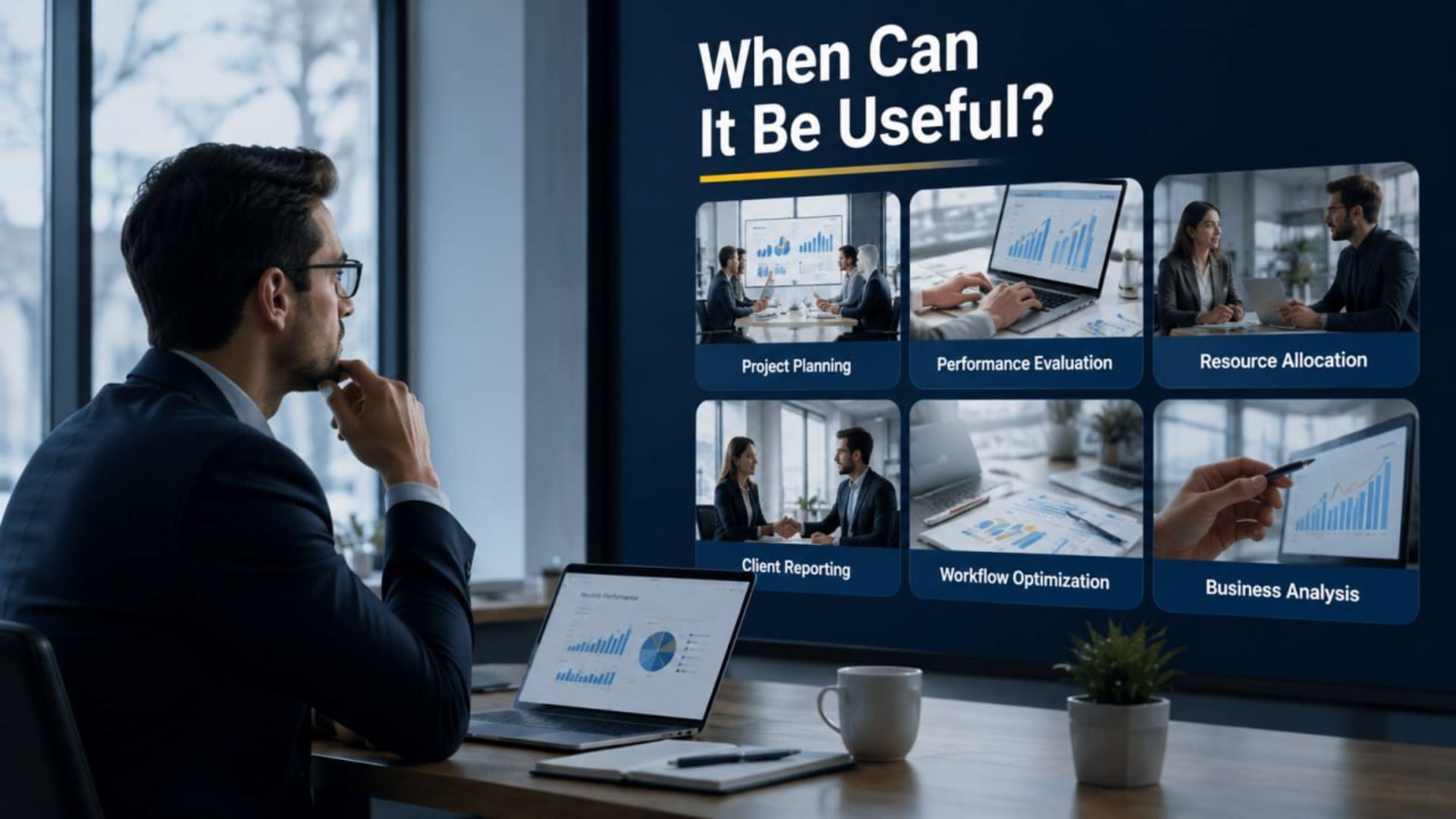
There are legitimate situations where visual records can provide useful operational evidence.
A software company might use them during a specific security investigation. A remote service provider could use records when resolving a dispute about billable work. A business handling sensitive customer information might use monitoring as one layer of a broader security strategy.
The strongest implementations usually have three characteristics: a documented business purpose, clear employee communication, and human interpretation.
This matters particularly for distributed teams. Remote work can make traditional visibility mechanisms less effective, but replacing physical visibility with constant surveillance can create another problem: damaged trust.
Monitoring should therefore be proportionate to the risk and purpose involved.
**Best Practices for Responsible Monitoring**
Transparency should come first. Employees should know what is collected, why it is collected, who can access it, and how it will be used.
Data minimization is equally important. Collect only what is necessary and consider excluding personal applications, sensitive websites, private communications, and non-working hours.
Access should be restricted to authorized personnel, especially when captured information may contain confidential or personal data.
Retention also matters. Set a reasonable storage period and delete records when they are no longer needed.
Finally, use human judgment. Monitoring data provides context, but managers should consider workload, deadlines, role expectations, and individual circumstances before making decisions.
You can also watch: ***[EmpMonitor|Leading Employee Engagement and Workforce Productivity Tool](https://youtu.be/vyhUwnsjlro?si=tsyG1MD-RvMXh9Bg)***
**Conclusion**
***[Employee screenshots](https://empmonitor.com/blog/which-call-centers-are-better-for-employee-screenshots/)*** can contribute to workplace visibility when they are implemented with purpose, transparency, and restraint. They should not become a substitute for trust, performance management, or meaningful communication. Businesses should evaluate whether visual monitoring is genuinely necessary, compare it with less intrusive alternatives, establish clear access and retention rules, and ensure managers interpret information within context. When monitoring technology is treated as one source of evidence rather than a definitive measure of productivity, organizations can pursue accountability while protecting employee trust. Review your current monitoring approach today and choose visibility that supports better decisions, not surveillance for its own sake.
**FAQs**
What are workplace screenshot tools used for?
They provide visual context for digital work, helping businesses review security, workflows, billing, or remote work activity. They should support informed decisions rather than serve as a standalone productivity measure.
How much does monitoring software cost?
Pricing varies by users, features, storage, integrations, and reporting. Businesses should compare the cost with the operational problem being solved and potential administrative savings.
What is the best alternative to screen monitoring?
Time tracking, application analytics, and project management tools can provide useful visibility with less intrusive data collection. The right choice depends on the business objective.