# Customer Onboarding: The Complete Guide for Growing Businesses
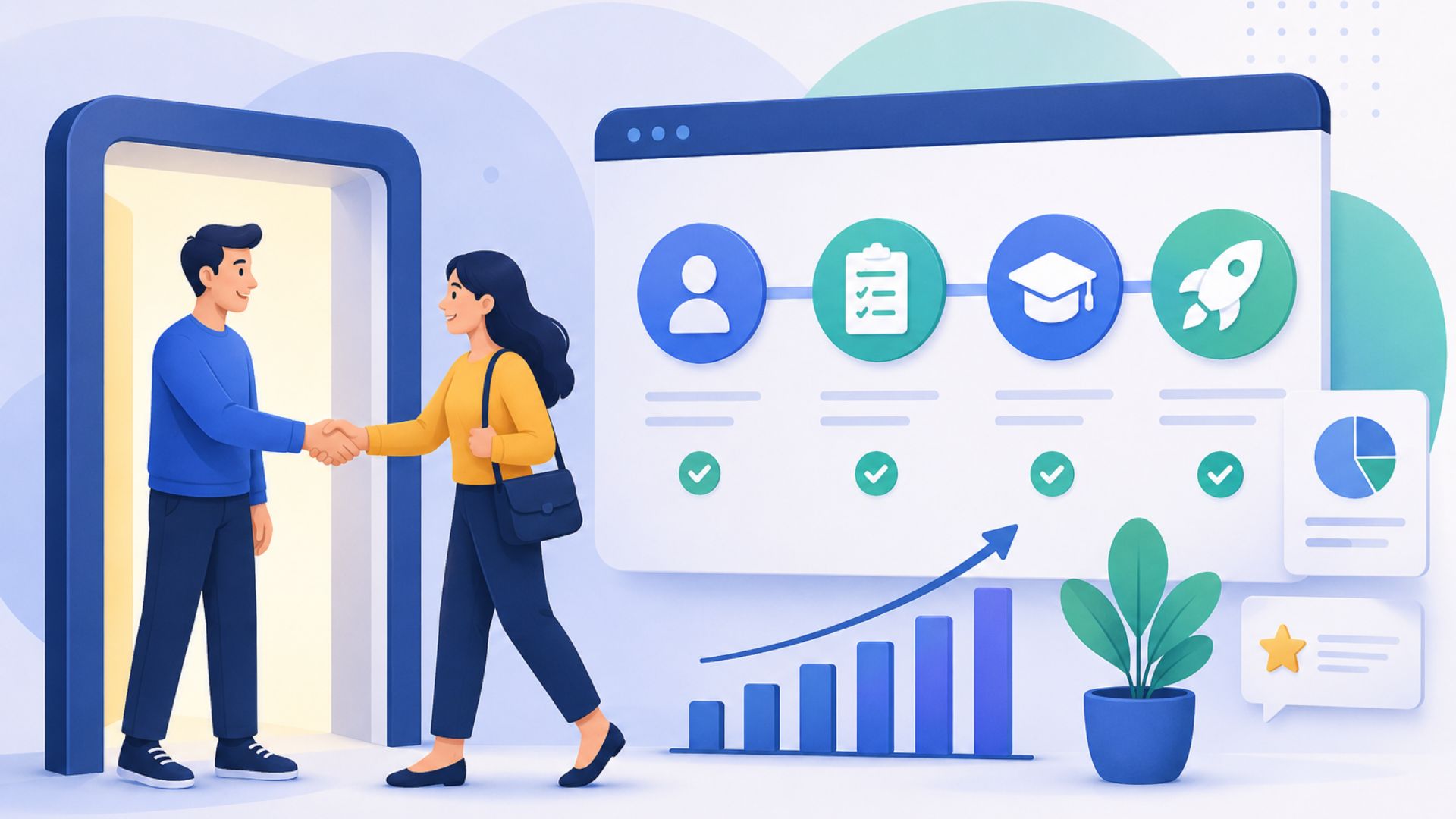
Have you ever wondered why some customers stay loyal from day one while others drop off after the first interaction? What separates smooth onboarding experiences from confusing, frustrating ones? And how can growing businesses turn new users into long-term advocates faster?
***[Customer onboarding](https://callified.ai/blog/customer-onboarding-process/)*** is the structured process of guiding new users from signup to full product adoption by educating, engaging, and supporting them at every step to ensure long-term retention and satisfaction.
In simple terms, onboarding is your first impression multiplied by every interaction that follows.
**Why onboarding matters for growth**
For growing businesses, onboarding is not just a process; it’s a revenue driver. A weak start often leads to early churn, while a strong experience builds trust and loyalty instantly.
Here’s why it matters:
* Reduces churn: Customers who understand value quickly are more likely to stay
* Increases activation rates: Users reach “aha moments” faster
* Boosts lifetime value: Engaged customers buy more and stay longer
* Strengthens brand trust: First experiences shape long-term perception
When onboarding is done right, it becomes a silent growth engine working in the background.
It also sets the foundation for scaling operations efficiently. Instead of manually guiding every user, businesses can build repeatable systems that deliver consistent experiences at scale. As competition increases, companies that prioritize onboarding gain a clear advantage in retention and customer satisfaction.
At this stage, many organizations begin exploring how technology enhances support experiences, especially through solutions like ***[ai in customer support](https://callified.ai/blog/ai-in-customer-support/)***, which helps automate responses, reduce friction, and ensure users get instant guidance when they need it most.
Building a structured onboarding journey
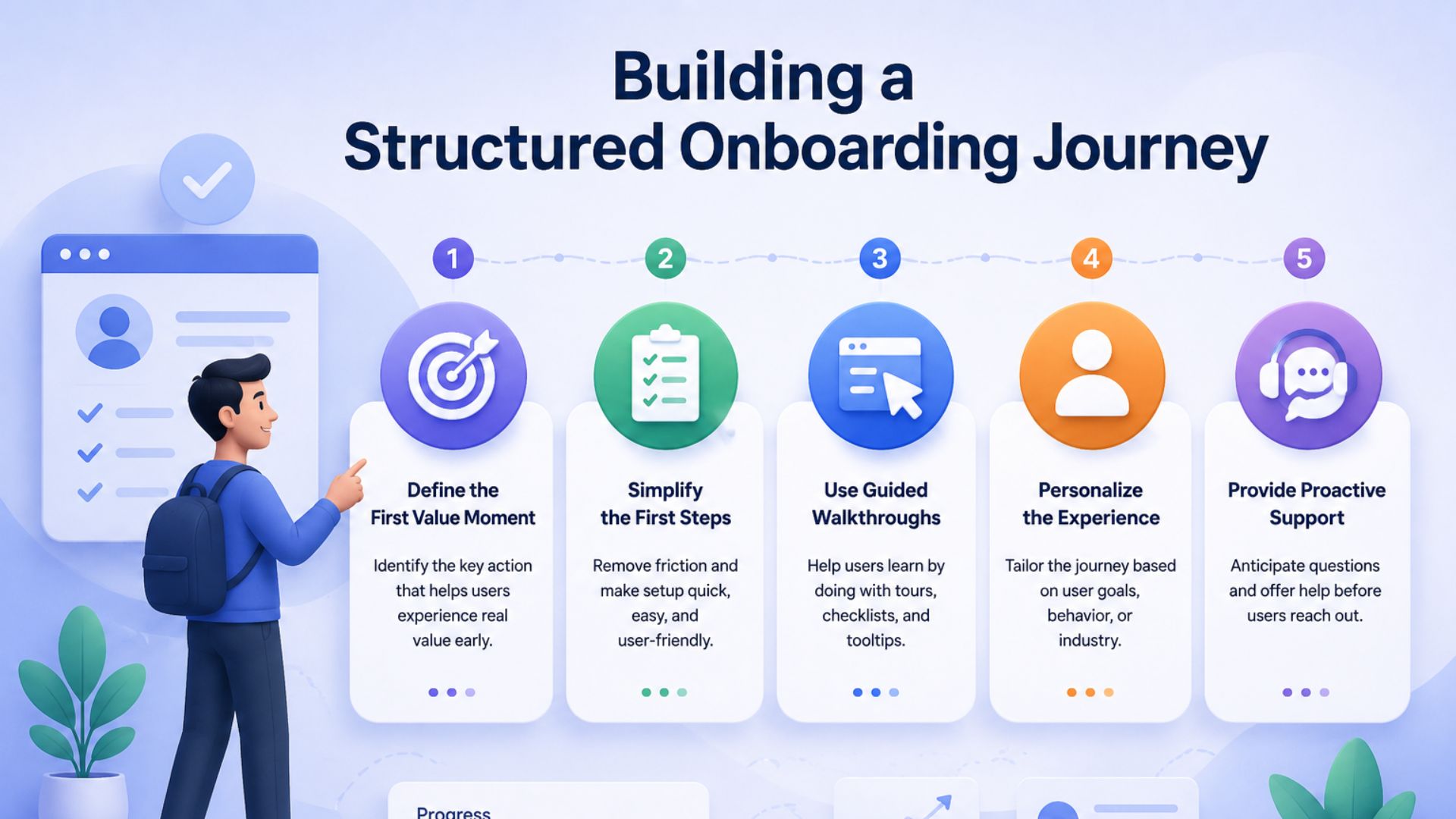
A successful onboarding system is not accidental—it’s designed. Businesses that excel typically follow a clear framework:
1. Define the “first value moment”
Identify the exact action that makes users realize your product is valuable.
2. Simplify the first steps
Remove unnecessary friction like long forms or complex setup processes.
3. Use guided walkthroughs
Interactive tours, checklists, and tooltips help users learn by doing.
4. Personalize the experience
Segment users based on goals, behavior, or industry.
5. Provide proactive support
Don’t wait for users to ask questions, anticipate them.
At this stage of scaling, many companies integrate tools such as Callified AI to streamline communication and improve user engagement during onboarding journeys. This helps ensure that every interaction feels timely, relevant, and helpful without overwhelming support teams.
Strong onboarding systems are not just about education, they are about reducing uncertainty. When users feel guided, they are more likely to trust the product and continue using it.
Businesses also increasingly rely on ***[ai customer service agent](https://callzyai.wordpress.com/2026/06/05/why-every-business-needs-an-ai-customer-service-agent-today/)*** systems to provide instant, always-on assistance during critical onboarding moments, ensuring no user is left waiting for answers.
**Scaling onboarding with automation and intelligence**
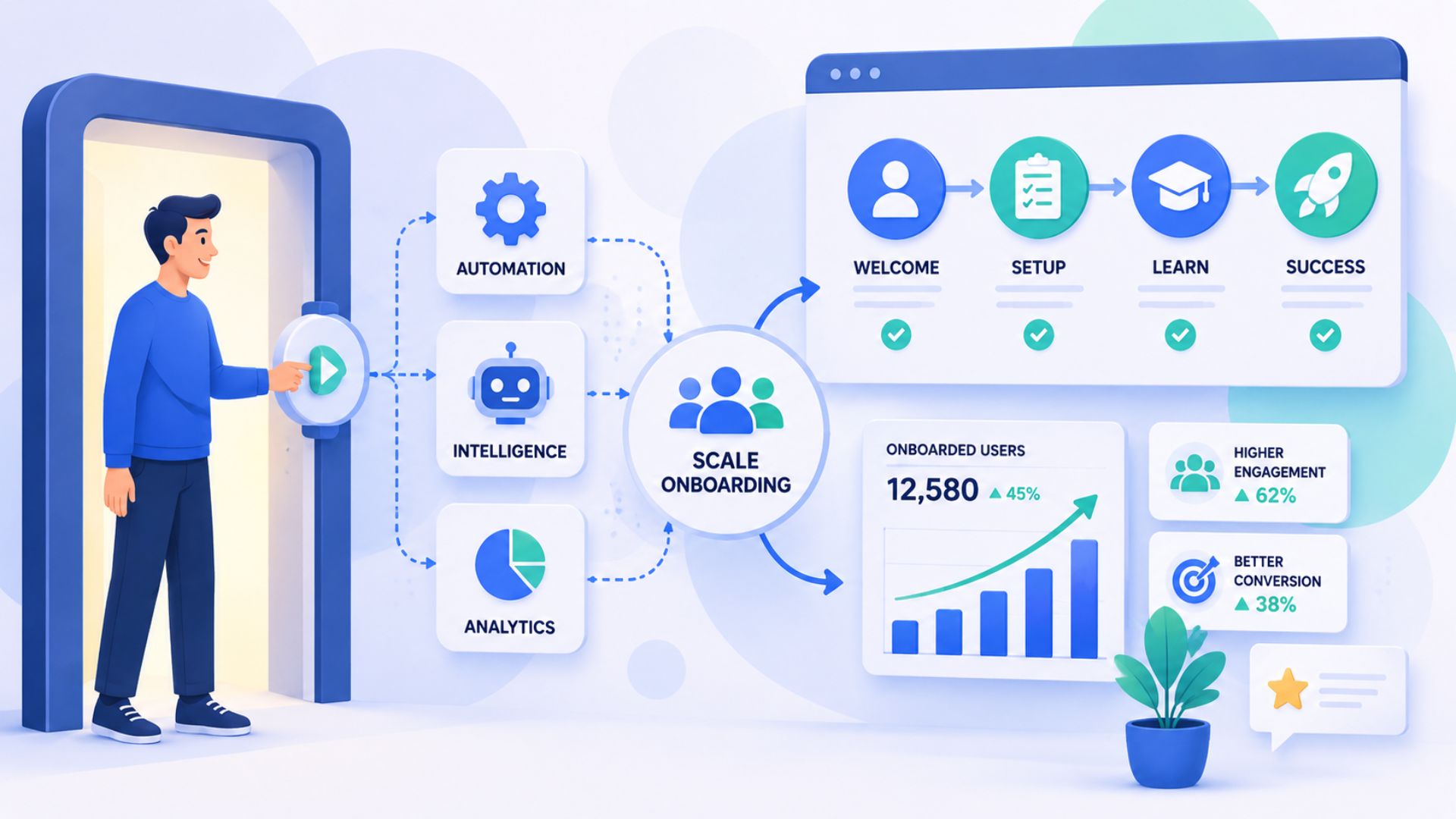
As user bases grow, manual onboarding becomes impossible to maintain. This is where automation and intelligent systems reshape the experience.
Modern onboarding strategies focus on:
* Automated welcome sequences
* Behavior-based messaging
* Smart in-app guidance
* Predictive support triggers
* Real-time engagement tracking
Automation ensures consistency, while intelligence ensures personalization. Together, they create onboarding systems that adapt dynamically to user needs.
For example, if a user struggles at a specific step, automated systems can trigger help content instantly. If another user progresses quickly, they can be fast-tracked to advanced features.
This balance between automation and personalization is what separates average onboarding from high-performing systems.
Businesses that invest in scalable onboarding frameworks often see:
Higher activation rates within the first session
Reduced dependency on human support teams
Improved customer satisfaction scores
Faster product adoption cycles
The ultimate goal is to make users successful without making them wait.
**Conclusion**
In today’s competitive digital landscape, mastering ***[Customer Onboarding](https://callified.ai/blog/customer-onboarding-process/)*** is no longer optional; it is essential for sustainable growth. A well-designed onboarding journey transforms first-time users into confident, long-term customers by removing friction, delivering value quickly, and providing continuous support.
**FAQs**
Q1. What is the goal of onboarding new customers?
The goal is to help users quickly understand value, reduce confusion, and guide them toward meaningful product usage.
Q2. How long should onboarding take?
It depends on product complexity, but ideally users should reach value within the first few minutes or sessions.
Q3. Why is onboarding important for retention?
Because early experiences determine whether users stay engaged or abandon the product.
Q4. Can automation improve onboarding?
Yes, automation improves speed, consistency, and scalability while reducing manual effort.