# How AI Calling Scripts Improve Customer Interactions?
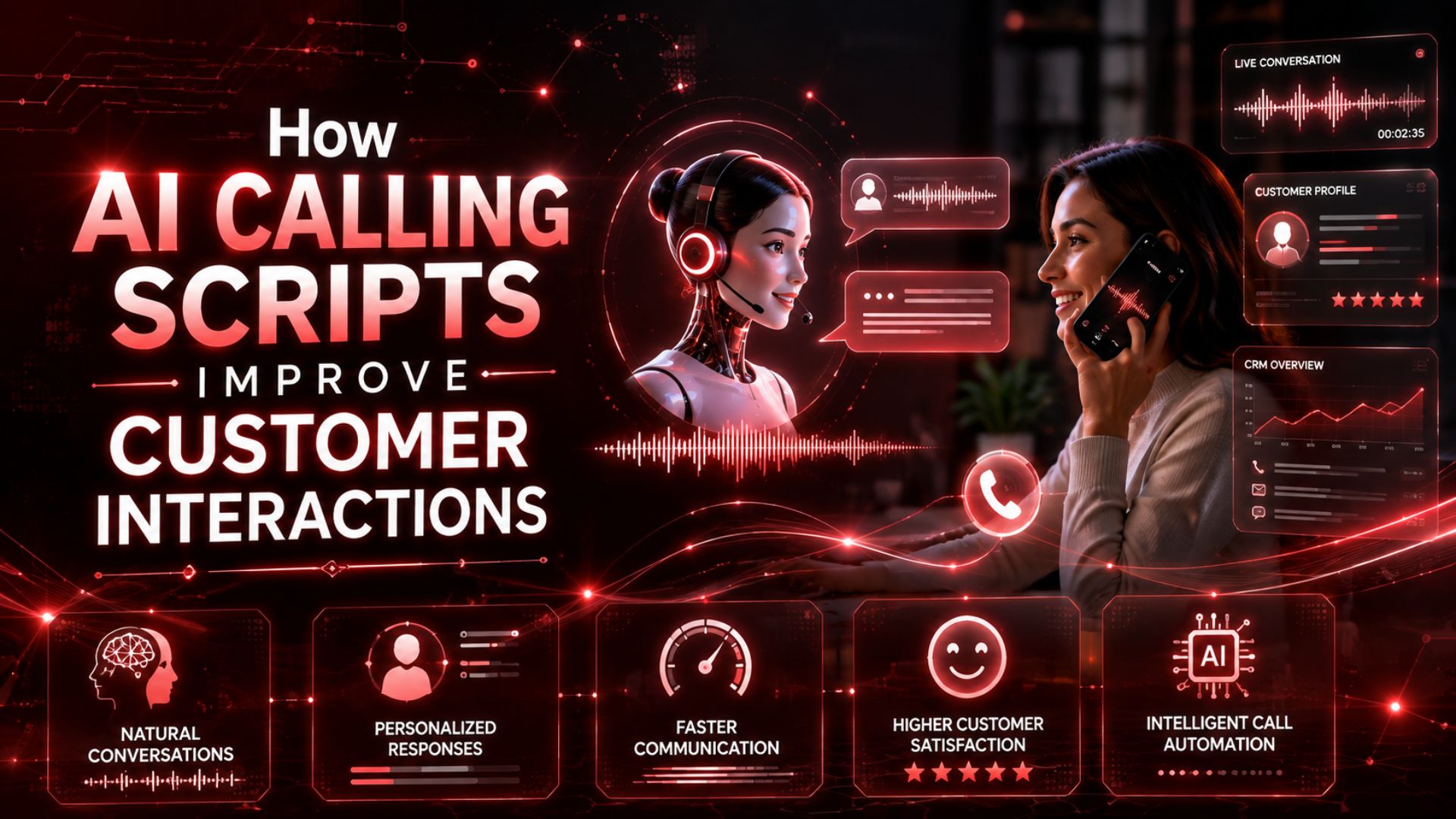
Have you ever wondered why some customer calls feel smooth, relevant, and genuinely helpful while others sound repetitive or disconnected? ***[AI Calling Scripts](https://callified.ai/blog/ai-calling-scripts-that-hit-qualification-rates/)*** can help businesses create more consistent, responsive, and customer-focused conversations without forcing every interaction into the same rigid pattern.
At their core, AI-powered calling scripts provide conversational guidance that helps an AI voice system understand what to say, when to say it, and how to respond based on the customer's needs. Instead of relying on a fixed sequence of sentences, modern systems can use context, customer information, and conversation signals to make calls feel more natural.
For businesses, this can mean faster responses, fewer communication errors, more consistent service, and better opportunities to convert conversations into meaningful outcomes.
**What Are AI Calling Scripts?**
AI calling scripts are structured conversational frameworks designed to guide automated voice interactions. They typically define the purpose of a call, key information that should be communicated, questions that need to be asked, and possible responses to customer situations.
Unlike traditional scripts that require representatives to follow predetermined lines, AI-driven scripts can support dynamic conversations.
For example, an AI calling system may:
* Greet a customer according to the purpose of the call.
* Ask qualifying questions.
* Identify customer intent from responses.
* Provide relevant information.
* Handle common objections.
* Transfer complex conversations to human agents.
* Record important information for future follow-ups.
This combination of structure and flexibility allows businesses to maintain communication standards while making conversations more personalized.
**How Do AI Calling Scripts Improve Customer Interactions?
**1. Create More Consistent Conversations****
Customers expect reliable service regardless of when they call or which representative handles their interaction. A structured AI approach helps businesses maintain consistent messaging across sales, support, appointment confirmation, and follow-up calls.
Consistency is particularly useful when companies handle large call volumes. Customers receive important information in a standardized way, while businesses can reduce the chances of missed questions or inaccurate responses.
**2. Make Conversations More Personalized**
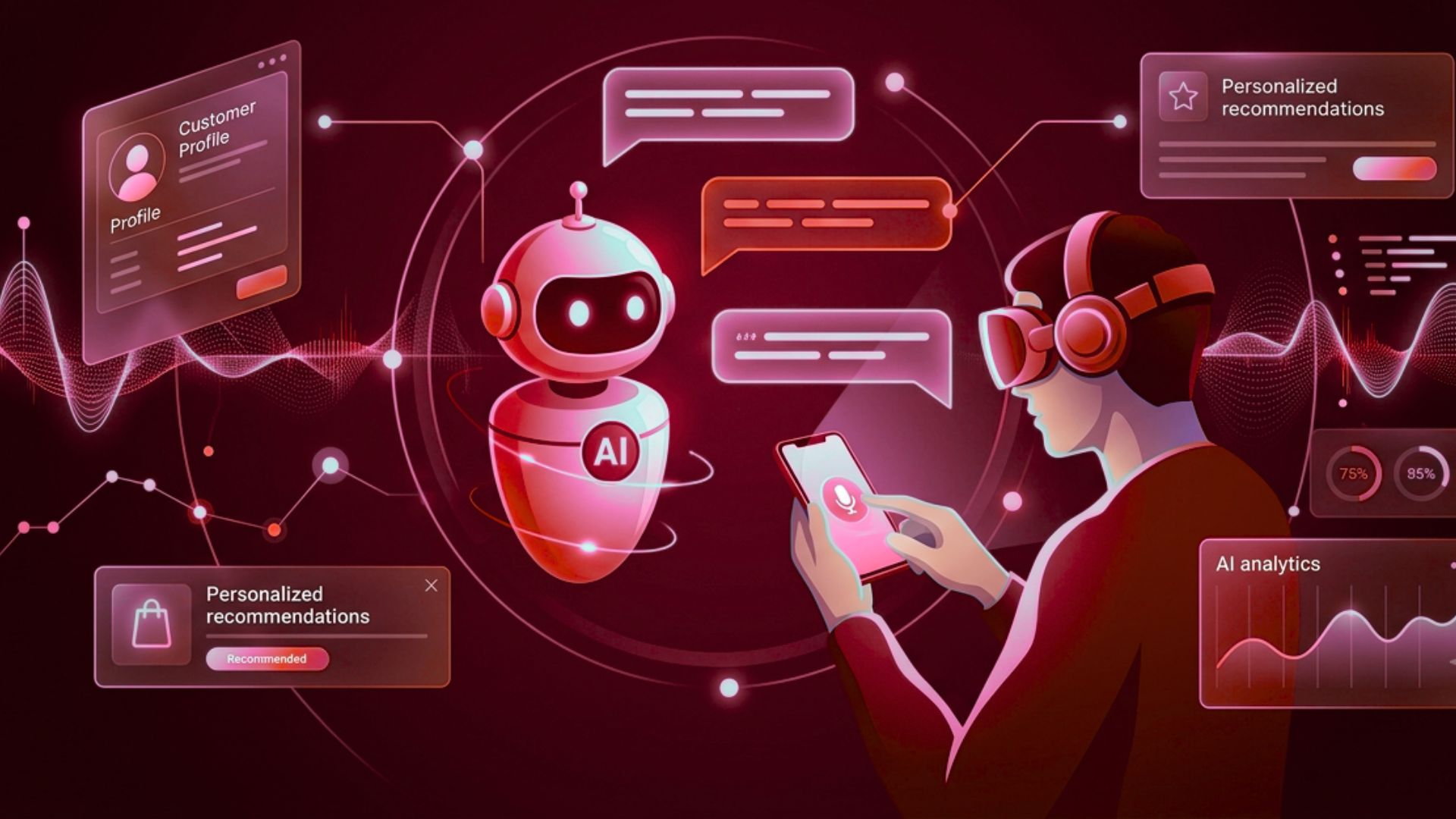
Personalization is one of the biggest advantages of AI-assisted calling. Instead of delivering the same message to everyone, the system can adapt conversations according to customer responses and available information.
For example, a returning customer may receive a different conversation path from a first-time prospect. A customer asking about pricing can be directed toward product information, while someone requesting technical assistance can follow a support-focused path.
This makes the interaction more relevant and reduces the frustration caused by unnecessary questions.
**3. Reduce Response Delays**
Customers generally do not want to wait for simple answers. AI can respond instantly to frequently asked questions, routine requests, and basic qualification queries.
With well-designed ***[AI Call Setups](https://callified.ai/blog/the-script-mistake-behind-90-of-ai-call-setups-failures/)***, businesses can organize automated conversations around different customer journeys. This allows calls to move efficiently from one stage to another instead of making customers repeat information or wait unnecessarily.
Faster responses can be especially valuable for businesses handling inquiries outside normal working hours. Automated calling can maintain customer engagement even when human teams are unavailable.
**4. Improve Customer Experience Through Context**
A good conversation depends on context. If an automated system responds without considering what the customer has already said, the interaction can quickly become frustrating.
AI-powered scripts can establish conversation rules that account for previous responses. For instance, if a customer indicates that they are not interested in a particular offer, the system can avoid repeatedly presenting the same information.
Context-aware conversations can help make automated calls feel less robotic and more responsive.
**5. Handle Common Customer Objections**
Sales and service conversations often involve predictable objections. Customers may ask about pricing, availability, delivery, features, cancellation policies, or alternatives.
A well-planned AI conversation framework can prepare responses for these situations. The system can acknowledge the customer's concern, provide appropriate information, and guide the conversation toward the next useful step.
This does not mean every objection should receive a scripted response. Instead, AI can use predefined guidance while adapting the conversation according to what the customer actually says.
**6. Support Human Agents More Effectively**
Automation does not have to replace human interaction. In many cases, its greatest value comes from helping human representatives focus on conversations that require judgment, empathy, or specialized knowledge.
For example, an AI system can manage initial qualification and routine questions before transferring a high-value or complex customer to an agent. By the time the human representative joins, essential context can already be available.
This creates a more efficient handoff and reduces repetitive work for support and sales teams.
**How Businesses Can Create Better AI Calling Conversations**
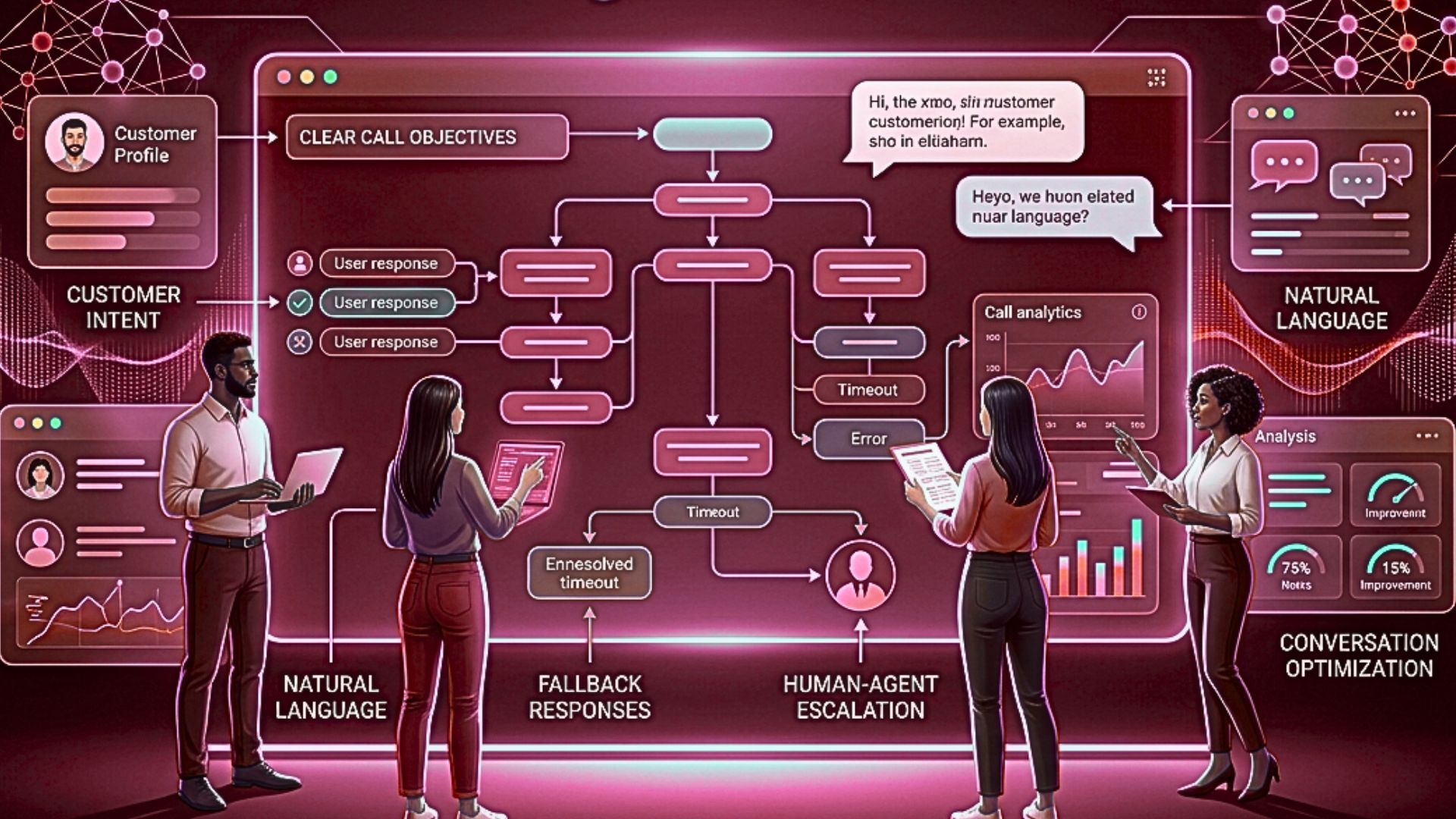
Simply automating an existing script is not enough. Businesses should design conversational flows around customer intent.
A practical approach includes:
* Define the call objective: Determine whether the conversation is intended for sales, support, qualification, reminders, or follow-ups.
* Map customer scenarios: Identify the most common questions, objections, and conversation paths.
* Use natural language: Avoid overly formal or complicated sentences.
* Add fallback responses: Give the system a clear way to handle unexpected questions.
* Set escalation rules: Determine when the conversation should move to a human representative.
* Review call outcomes: Analyze conversations regularly and improve weak points in the flow.
The goal should be to create conversations that feel useful rather than simply automated.
**Why Natural Conversation Matters**
Customers can quickly recognize when an interaction feels mechanical. Long sentences, repeated phrases, unnecessary questions, and irrelevant responses can make automation feel impersonal.
A strong ***[AI phone call](https://6a460ca630e75.site123.me/blog/ai-phone-call-automation-a-complete-guide-for-businesses)*** strategy therefore focuses on short responses, active listening, appropriate pauses, and relevant follow-up questions.
Businesses can also use conversational data to identify where customers frequently abandon calls. If many callers leave during the same stage, that part of the conversation may need to be simplified or redesigned.
**The Role of AI in Modern Customer Communication**
AI-powered voice technology is becoming increasingly useful for businesses that need to manage customer conversations at scale. Platforms such as Callified AI can help organizations build automated calling experiences designed around sales, customer service, lead qualification, and other communication requirements.
The most effective implementations do not treat AI as a replacement for thoughtful communication. Instead, they combine automation with clear conversational design, customer context, and appropriate human intervention.
Also watch this video - ***[Meet Callified AI | Your AI Sales Team That Never Sleeps](https://youtu.be/cQ8QsephGKI?si=zPMCc1XGaWJJboY2)***
**Conclusion**
Effective customer communication is not simply about answering calls; it is about understanding intent, responding appropriately, and creating a smooth experience. ***[AI Calling Scripts](https://callified.ai/blog/ai-calling-scripts-that-hit-qualification-rates/)*** give businesses a structured foundation for achieving these goals while allowing automated conversations to remain flexible and relevant.
When thoughtfully designed, AI calling can reduce repetitive work, accelerate responses, improve consistency, and create better opportunities for meaningful customer engagement. The strongest results come when automation and human expertise work together rather than competing with each other.
**Frequently Asked Questions**
Q1. Are AI calling scripts better than traditional call scripts?
They can be more flexible because AI systems can adapt responses according to customer input, while traditional scripts generally follow a predetermined sequence.
Q2. Can AI calling improve customer satisfaction?
Yes. Faster responses, relevant information, consistent communication, and smoother escalation to human agents can contribute to a better customer experience.
Q3. Can AI handle unexpected customer questions?
AI can handle many unexpected questions when the system has appropriate knowledge and fallback instructions. For complex or sensitive issues, escalation to a human agent is often the better approach.
Q4. Do businesses still need human agents?
Yes. Human agents remain valuable for complex issues, emotional conversations, negotiations, and situations requiring judgment. AI can handle routine interactions and help agents focus on higher-value conversations.